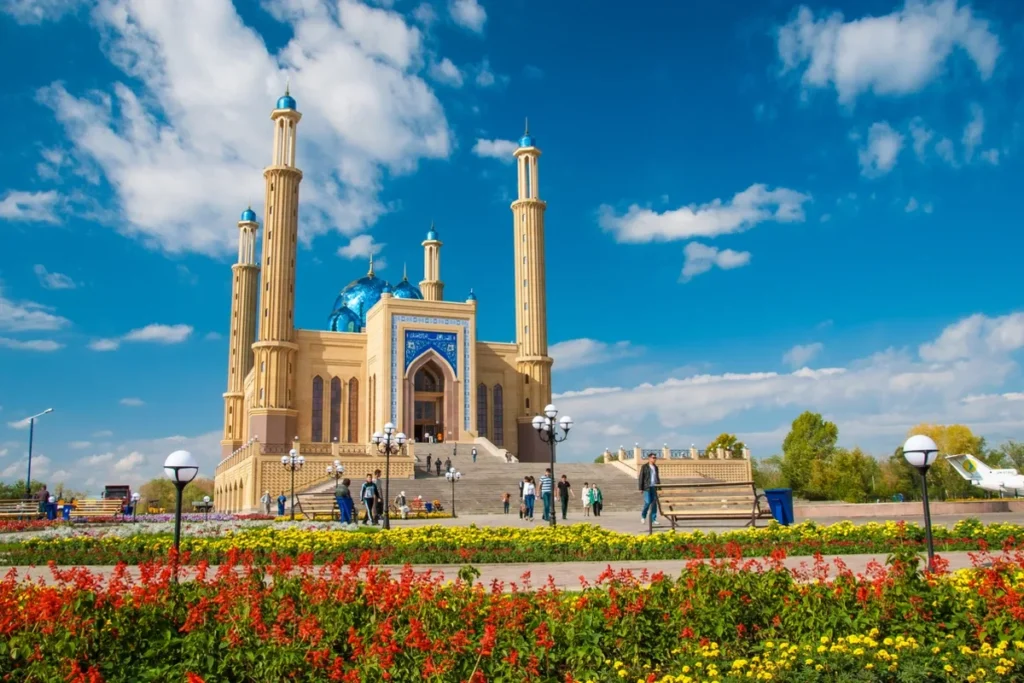
People ask me about kazakhstan religion more than almost anything else before they visit, usually with a specific worry underneath it: is this going to feel like a conservative Muslim country, or something else entirely? I get it. Google “kazakstan religion” and you’ll get a wall of census percentages with zero context.
So here’s the actual picture, from someone who’s watched religion in Kazakhstan shift over three decades of visiting family in Almaty. It’s more Istanbul-secular than Tehran-religious, with a Soviet hangover that still shapes how people practice faith today.
In This Article
- Is Kazakhstan a Muslim Country?
- What Religion Is Kazakhstan? The 2021 Census Breakdown
- What Was Kazakhstan’s Religion Before Islam?
- How Islam Took Root in the Steppe
- Soviet Rule and the Near-Erasure of Religion
- Kazakhstan’s Muslim Population Today: Who Practices What
- The Secular Rules: Hijabs, Niqabs, and What’s Actually Banned
- What This Means If You’re Visiting Almaty
- Where This Leaves You
Alma Zharkyn left Almaty as a child in the 1990s and has been returning almost every year since. She writes Almaty Guide for American travelers who want practical, current information from someone who still has family in the city.
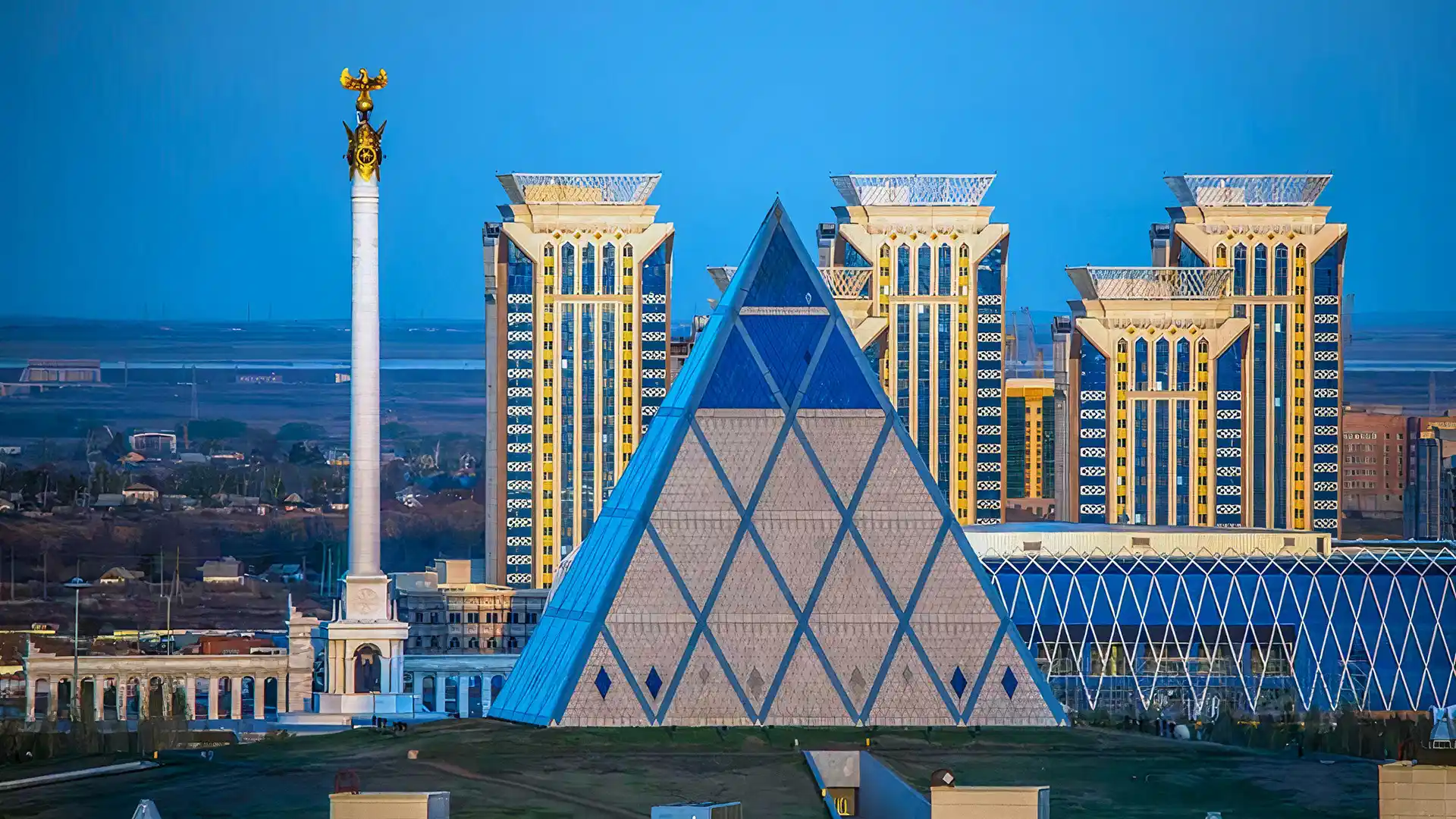
Is Kazakhstan a Muslim Country?
Short answer: no. Kazakhstan’s constitution defines it as a secular state, even though most of the population is Muslim. That distinction trips up almost every first-time visitor I talk to.
Islam is Kazakhstan’s main religion, practiced by roughly seven in ten people. But secular here isn’t a footnote. There’s no state religion, no religious instruction in public schools, and mosques and churches are treated the same way under the law.
I grew up watching my grandmother pray quietly at home, never at a mosque, and that’s still pretty typical. Think about it this way: Kazakhstan looks a lot more like Turkey’s brand of secularism than anything resembling a theocracy.
It’s fair to call Islam the kazakhstan main religion in every practical sense, since it shapes holidays, food customs, and family life across the country. But calling Kazakhstan “a Muslim country” the way people mean Saudi Arabia or Iran misses the point entirely. Law here answers to the constitution, not to religious doctrine.
What Religion Is Kazakhstan? The 2021 Census Breakdown
The most current kazakhstan religion percentage comes from the 2021 national census: 69.3% identify as Muslim, 17.2% as Christian, 2.25% have no religion, and 11% declined to answer entirely. Everything else combined, Buddhism, Judaism, the Baháʼí faith, barely clears 0.2%.
Here’s what the raw kazakhstan religious demographics actually mean day to day. Muslim doesn’t automatically mean observant. A huge share of that 69.3% would describe their faith as cultural, tied to family and holidays rather than five daily prayers.
The Kazakhstan Bureau of National Statistics count puts roughly 3,000 mosques nationwide, all registered under a single state-linked body.
That 11% “undeclared” number is worth pausing on. It jumped from under 1% in 2009 to 11% in 2021, mostly concentrated in Almaty and other big cities.
So what does that actually mean for you? It suggests urban Kazakhstan, exactly where most American visitors spend their time, skews noticeably less religious than the national average.
| Religious Affiliation | Share of Population (2021 Census) |
|---|---|
| Islam (mostly Sunni, Hanafi school) | 69.3% |
| Christianity (mostly Russian Orthodox) | 17.2% |
| No religion / atheist | 2.25% |
| Undeclared | 11.0% |
| Other (Buddhist, Jewish, Baháʼí, etc.) | 0.2% |
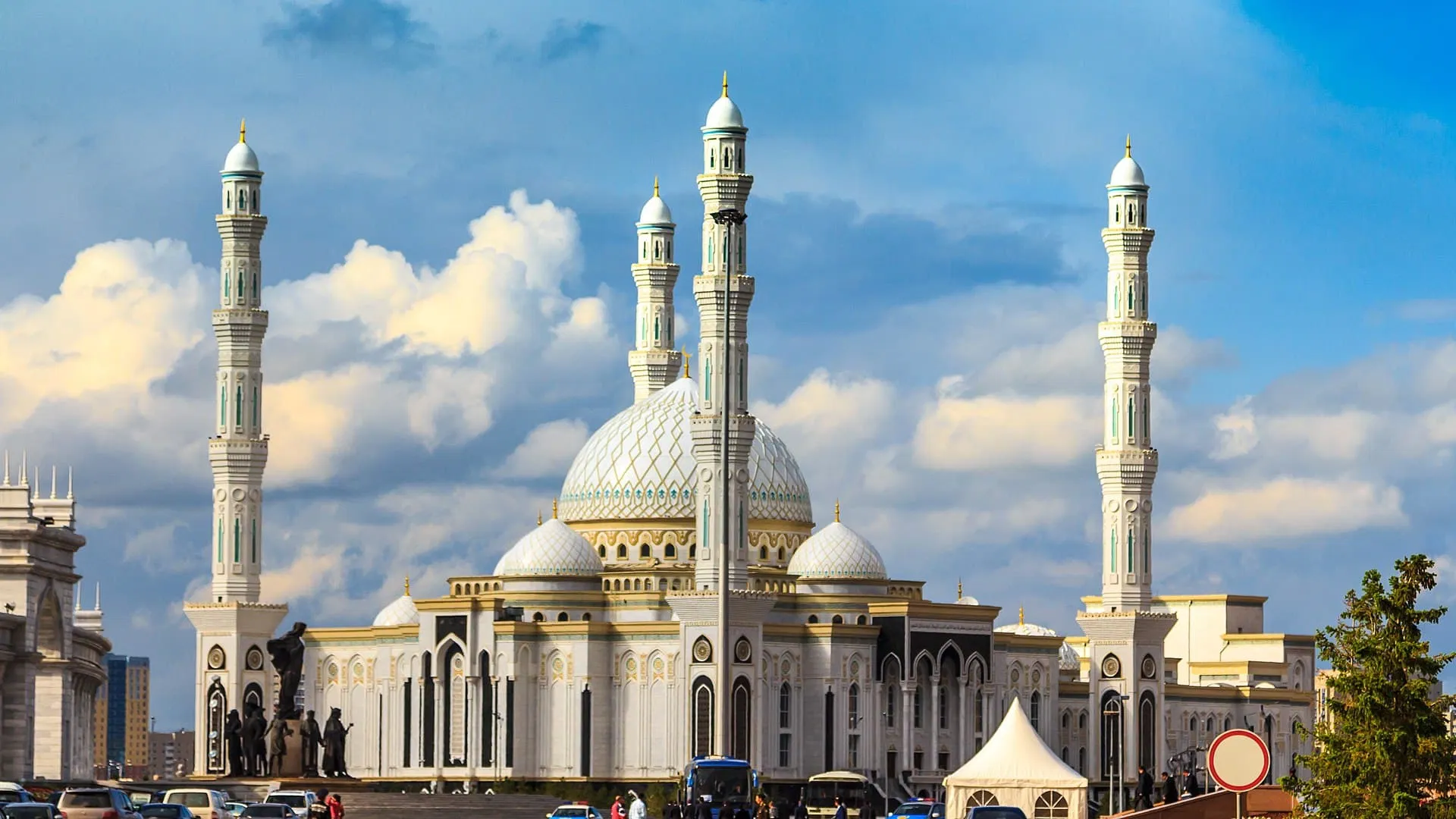
“According to the 2021 census data, 69.3 percent of the population identifying as religious is Muslim.”
U.S. Department of State, 2023 Report on International Religious Freedom: Kazakhstan
What Was Kazakhstan’s Religion Before Islam?
Before Islam arrived, kazakhstan religion before islam centered on Tengrism, a sky-worship belief system built around Tengri, a supreme creator god, and Umay, a protective goddess tied to fertility and family. It wasn’t a religion with a single holy book or fixed doctrine.
Nomadic shamans called bakhsy acted as healers and spiritual mediators, using bowed instruments rather than drums, which set Kazakh shamanism apart from its Siberian neighbors. Ancestor veneration ran deep too, and you can still see traces of it at sacred sites across the country today.
Here’s the part most people miss: none of this vanished when Islam showed up. It blended in. Tengri quietly merged with the Arabic word for God, and old rituals like fire purification survived tucked inside new Islamic practice.
You can still visit sites tied to this older layer of belief, places like the Shak-Pak-Ata cave complex or the tombs of historical tribal leaders, where local saint veneration continues largely unchanged. Guides sometimes gloss over this part of the story in favor of more recent history, but it’s honestly one of the more interesting threads if you’re willing to dig for it.
How Islam Took Root in the Steppe
Islam entered the region in the 8th century following Arab expansion into Central Asia, and it picked up serious momentum after the Karluk Turks converted around the 10th century. But the version of kazakh religion that eventually took hold in the open steppe wasn’t the strict, legalistic Islam of southern cities.
It arrived through Sufism, mystical Islamic orders that emphasized poetry, music, and personal devotion over rigid law. The single biggest figure here is Khoja Ahmed Yasawi, a 12th-century mystic based in Turkestan who translated Islamic teaching into Old Turkic folk verse nomads could actually relate to.
Yasawi’s approach let people keep their existing customs as long as they didn’t directly contradict core Islamic belief. That flexibility is baked into how Islam still gets practiced here. It’s soft-edged, culturally woven, nothing like the imported strict interpretations you’ll find debated elsewhere in the region.
Later Sufi orders, the Naqshbandiyya and Qadiriyya among them, built on Yasawi’s groundwork over the following centuries. Rulers of the Golden Horde generally encouraged this style of Islam rather than fighting it, because it kept the peace with tribal customary law instead of overriding it.
Because Sufism shaped the foundation, this history matters more than it might seem. It’s the reason mosques here rarely feel political, and the reason a religious scholar and a village elder could historically be the same trusted person.
Soviet Rule and the Near-Erasure of Religion
The 20th century nearly wiped religion out entirely. Soviet authorities enforced aggressive state atheism, destroying or repurposing mosques, churches, and synagogues by the thousands. Clergy across every faith were executed or sent to labor camps.
Because the Soviets also replaced the Arabic script used for Kazakh with Cyrillic, entire generations lost direct access to religious texts. Faith didn’t disappear, but it shrank down to the kitchen table: circumcisions, weddings, funerals, quiet family ritual instead of public worship.
That’s the trap a lot of outside coverage falls into, assuming Kazakhstan’s Muslim majority means decades of unbroken religious tradition. It doesn’t. Most families are only two or three generations removed from a state that actively tried to erase religious practice altogether.
After independence in 1991, hundreds of mosques and churches went up within a few years, and foreign missionary groups poured in from the Middle East, South Asia, and Western countries. The government watched that unmanaged growth nervously and eventually clamped down with tighter registration rules, which is really the root of the secular laws covered further down this article.
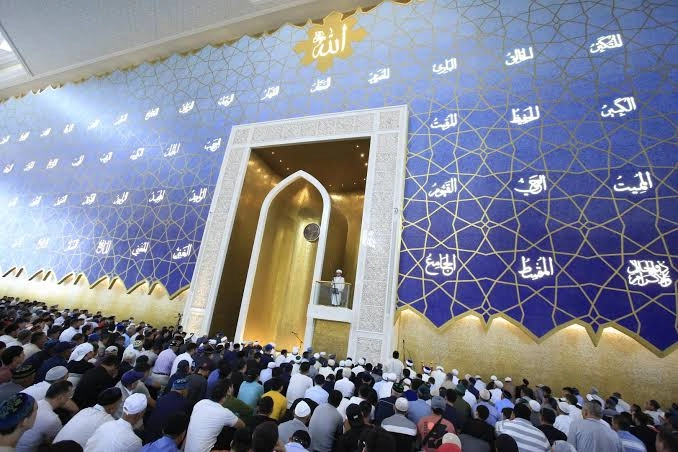
Kazakhstan’s Muslim Population Today: Who Practices What
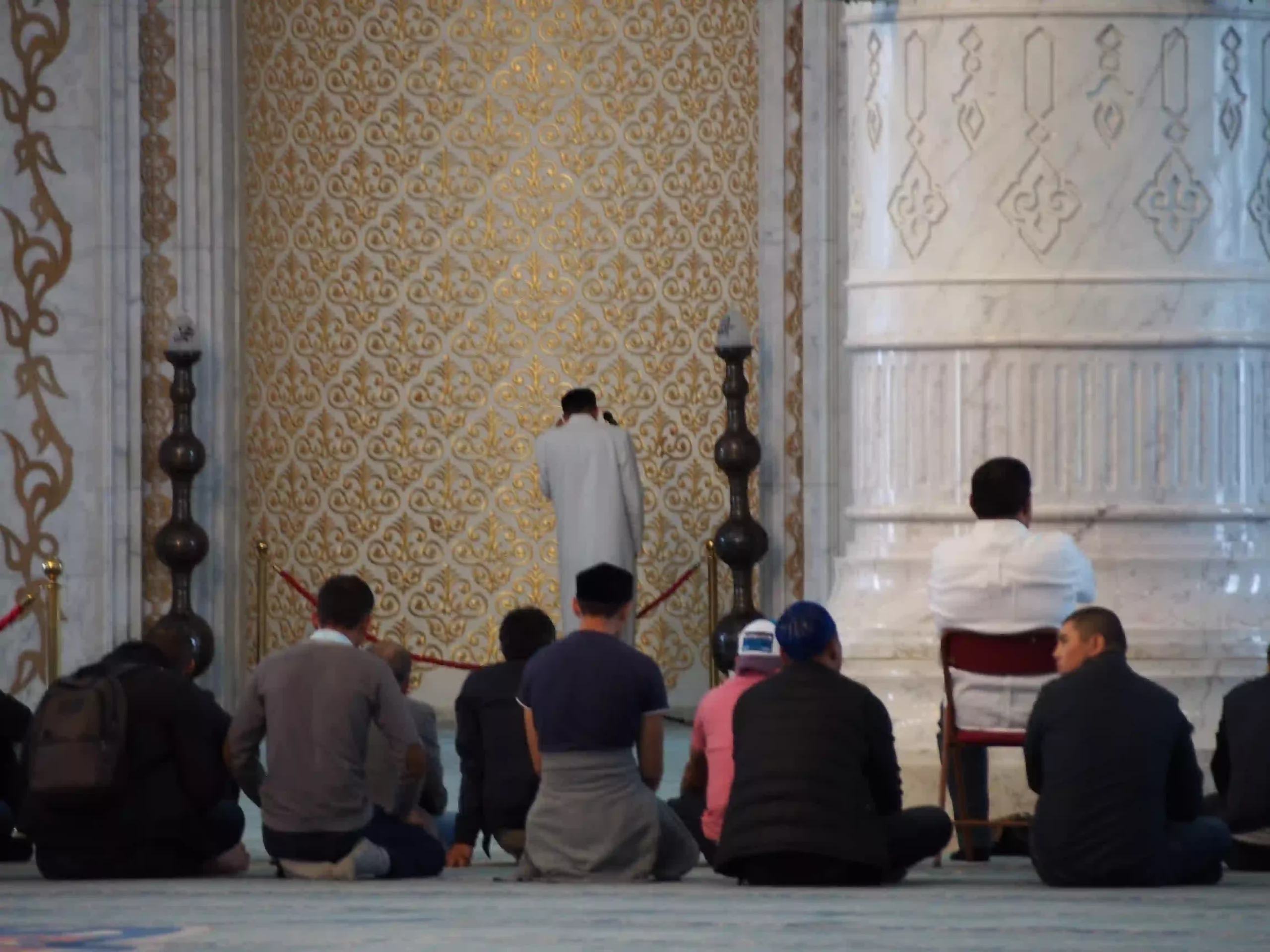
The kazakhstan muslim population today is overwhelmingly Sunni, following the Hanafi school of law, and it’s concentrated among ethnic Kazakhs, Uzbeks, Uyghurs, and Tatars. But how kazakhstan people religion actually plays out varies enormously by region and by generation.
Regional data from CABAR.asia’s analysis of the 2021 census shows Muslim identification running above 90% in southern regions like Kyzylorda and Turkestan, but dropping to around 35% in North Kazakhstan, where ethnic Russians and Christian identity dominate instead.
So the religions in kazakhstan don’t sit evenly across the map. Here’s a rough sense of who you’ll encounter where:
- Southern regions (Turkestan, Kyzylorda): heavily Muslim, more visible religious practice, mosque attendance more common
- Almaty and northern cities: mixed, secular-leaning, large Orthodox Christian populations from Russian and Ukrainian communities
- Rural areas overall: more observant on average than cities, closer to 77% Muslim identification
- Younger, urban Kazakhs: often culturally Muslim, rarely mosque-attending, similar to nominal Christians in the West
Christianity, mostly Russian Orthodox, remains the second-largest faith at 17.2%, brought by Slavic settlers during Tsarist and Soviet-era migration. Smaller communities of Catholics, Protestants, Jews, and Buddhists round out the rest, each numbering in the thousands rather than millions.
And that’s just one part of it. What surprises a lot of visitors is how little friction exists between these groups day to day.
The various kazakhstan religions coexist in the same apartment buildings, the same workplaces, sometimes the same families after generations of intermarriage. Nobody I know treats a neighbor’s faith as their business.
The Secular Rules: Hijabs, Niqabs, and What’s Actually Banned
As of June 30, 2025, Kazakhstan bans face-covering clothing in public spaces, which in practice means the niqab and burqa. Hijabs are still completely legal. That distinction gets lost constantly in headlines, so it’s worth being precise about it.
The law technically targets anything that blocks facial recognition, not religious dress specifically. But The Diplomat’s coverage of the ban notes it followed a 2023 rule barring headscarves in public schools, and officials have framed both moves around national identity and security rather than religion directly.
There’s a catch worth knowing if you’re planning a trip. A handful of exemptions exist:
- Medical necessity
- Extreme weather conditions
- Workplace safety, like welding masks
- Official cultural or sporting events
Kazakhstan isn’t alone in this. Euronews reported that Uzbekistan, Tajikistan, and Kyrgyzstan all passed similar bans within the past two years. It’s a regional pattern, not a Kazakhstan-specific crackdown on Islam.
What This Means If You’re Visiting Almaty
In my experience taking American friends around Almaty, religion barely registers as a visible thing day to day. You’ll pass mosques and Orthodox cathedrals within blocks of each other, and nobody treats that as unusual.
Ascension Cathedral, painted bright candy colors and built entirely without nails, sits a short walk from Central Mosque, and both get treated as landmarks rather than religious flashpoints. Dress modestly if you’re stepping inside either one, shoulders and knees covered, that’s it.
Here’s where it gets interesting for planning purposes. Friday prayers can briefly slow foot traffic near major mosques, and Eid al-Adha is a recognized national holiday when some shops close. Outside of that, you won’t feel religion shaping your itinerary the way it might in, say, parts of the Gulf.
Worth pausing on that for a second: alcohol is sold everywhere, restaurants don’t observe religious dietary defaults, and nightlife runs late. Almaty’s rhythm is closer to a secular European city than most visitors expect.
Halal food is easy to find if you’re looking for it, but it’s rarely the default, and plenty of Kazakh restaurants serve pork dishes right alongside everything else. If you’re used to traveling in more religiously conservative countries, this is probably the fastest adjustment you’ll make.
What is the religion in Kazakhstan?
Islam is the largest religion, practiced by about 69.3% of the population according to the 2021 census, mostly Sunni Muslims following the Hanafi school. Christianity, mainly Russian Orthodox, comes next at 17.2%. Kazakhstan is constitutionally secular, so there’s no official state religion, and roughly 11% of the population declined to state any religious affiliation at all.
What is the main religion in Kazakhstan?
Islam is the main religion, with the vast majority of Muslims following Sunni practice under the Hanafi school of law. That said, practice tends to be cultural and personal rather than strict or public. Many Kazakhs describe their faith as more about identity and family tradition than daily religious observance, which surprises a lot of first-time visitors.
What is the religion of Kazakhstan?
Officially, Kazakhstan has no state religion at all, since the constitution establishes it as a secular republic. Unofficially, Islam dominates demographically, followed by Orthodox Christianity among ethnic Russian, Ukrainian, and Belarusian communities. Smaller populations of Jews, Buddhists, Catholics, Protestants, and Baháʼí adherents round out the rest, each under 1% individually.
Are Kazakhstan’s religions the same across the whole country?
No, and the difference is bigger than most people expect. Southern regions like Turkestan and Kyzylorda report Muslim identification above 90%, while North Kazakhstan sits closer to 35%, with a much larger Orthodox Christian population there. Almaty, where most American travelers land, falls somewhere in the middle: mixed, urban, and noticeably more secular than the national average.
What religions exist in Kazakhstan besides Islam and Christianity?
Beyond the two dominant faiths, Kazakhstan is home to small but historically rooted communities of Jews, Buddhists, Catholics, Protestants, and followers of the Baháʼí faith. None of these groups individually make up more than a fraction of a percent of the population. Buddhism in particular has documented roots going back to the 17th century, organized today mainly among Korean and Tibetan Buddhist communities.
Where This Leaves You
Kazakhstan religion isn’t a single, simple story. It’s a Muslim-majority country that runs on secular law, shaped by Sufi flexibility, nearly erased by Soviet atheism, and now rebuilding itself in a way that’s still more cultural than doctrinal for most people.
If you’re heading to Almaty specifically, don’t overthink the religious angle. Dress respectfully in places of worship, expect mosques and cathedrals to sit peacefully blocks apart, and don’t be surprised if the city feels more like a secular European capital than anything else.
The short answer? It depends on where you go and who you ask, but the honest baseline is this: religion here is present everywhere and imposed almost nowhere. That’s been true my whole life visiting family in Almaty, and the data backs it up.
Sources
- U.S. Department of State. “2023 Report on International Religious Freedom: Kazakhstan.” U.S. Department of State, 2024.
- Kazakhstan Bureau of National Statistics, via Wikipedia. “Religion in Kazakhstan.” 2021 Census data.
- CABAR.asia. “How the Number of Believers Changed in Kazakhstan.” 2022.
- The Diplomat. “Kazakhstan Bans Veils in an Effort to Heighten Security.” 2025.
- Euronews. “Kazakhstan Bans Face Coverings in Public Places.” 2025.
- Freedom of Thought Report. “Kazakhstan.” Humanists International, 2025.